
Promethean: Chapter 5
Masquerade

Follow these links to read: Front Matter & Ch. 1, Chapter 2, Chapter 3, Chapter 4, Chapter 6, Chapter 7
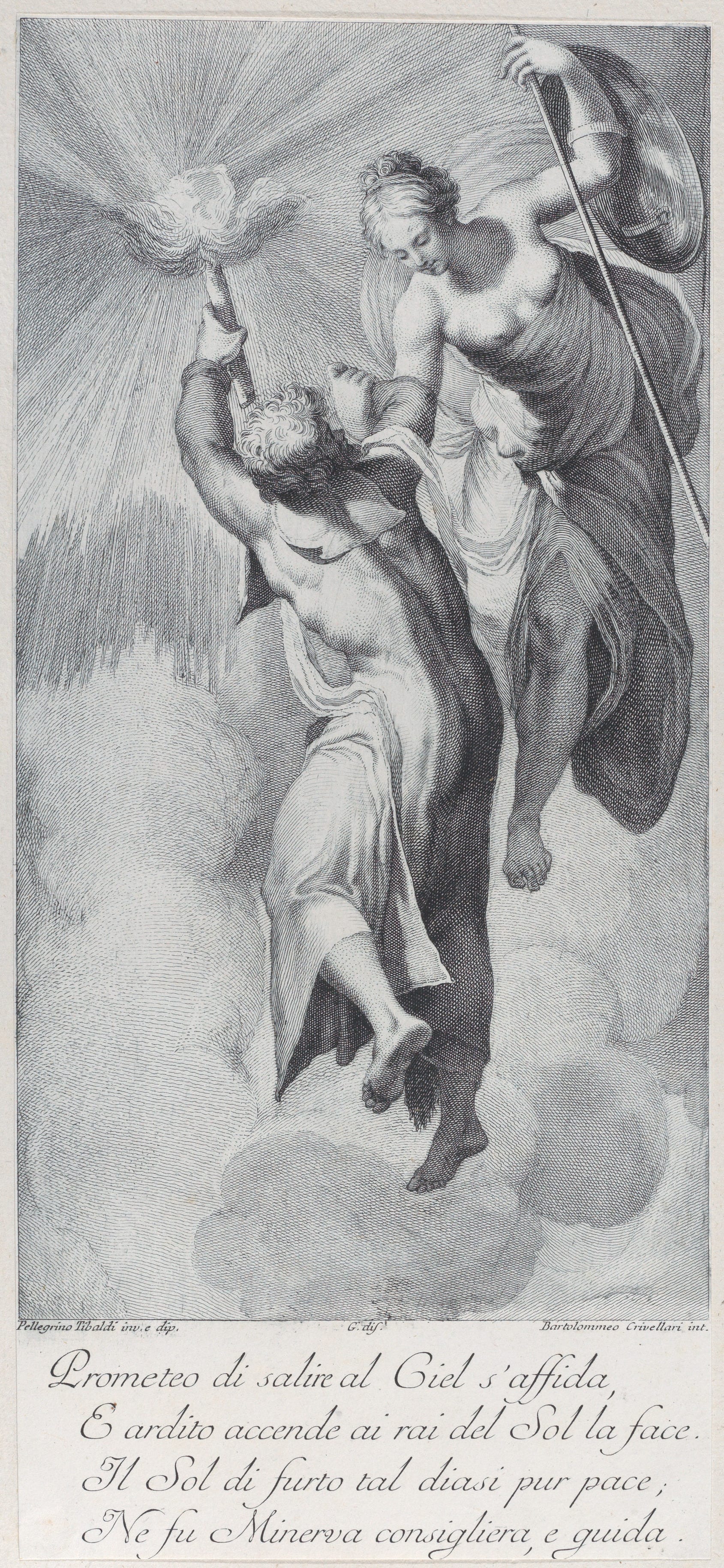
The way out of the city wasn’t blocked or concealed. There was no need, for rarely did anyone go looking, and fewer still passed through. Nearly all were comfortable and happy to stay, afraid to leave. Those who left and returned confirmed what the rest already knew: it is boring and inhospitable outside the city. Worst of all, upon relapse, the lowest tier received you: those who wore white ribbons, those with the fewest things and liberties. With more niceties closer to the Capitol, it wasn’t worth losing what generations had worked for and passed down; a simple, cheap, and effective means of heritable control.
In his days as a safety officer, which was nothing more than reminding others what they could not do, he rescued two children who almost strayed out while playing a game they had invented. One would run and tuck themselves in a nook, behind a corner, under a bench, or up a fake plastic tree, and the other would cover their eyes and count to 100. When the count was complete, the counter would seek the hider; in so doing, the boys were leaving everything behind. He found them on the border and issued a reprimand, citing an old law that, in fact, prohibited this very game that neither he nor they had heard of. The children were given probation. Their parents’ ribbons were reduced to red, forcing them to move. He was promoted and thus elevated to blue. But in that escapade, he saw their near accidental escape and, for the first time, felt within him that mystery stir.
Stopping at the spot where he had found the boys, he considered giving everything he earned to charities and living as an ascetic in the wilderness. But, counting each dollar another’s cuff to a false god he desired to kill, money gyving society more tightly to the machine he was fleeing, he felt that he would be lending their possessor what little and perhaps false moralities were somehow ingrained in him. Knowing that by doing so he would be forever fastened to that fabricated lord, he kept every credit, vowing to be free of that hollow, all-defining ego imposed on him. Only then could he confidently believe another person had been freed of its bewitching entrapments. Stepping off the asphalt, he said, “One less for the iron maw, one more for humanity.” Immediately after he spoke that hopeful declaration, an image flashed in his mind: his destruction and creation.
He walked out of the city, convicted by selfishness, yet he sensed that alms prolong the disease and are part of it, with no cure except abandonment. He dismissed the feelings imbued in him by a culture that had laid bricks of silver and gold on every labyrinthine path to perdition, lined with billboards and screens advertising the frills and merits of the way, the way he was leaving. In death, he could save only himself, and even of that, he was unsure. Everything else, he realized, was absurd altruism, and for that, he had no time left. There were already multitudes of billionaires and trillionaires who had admirably tried and failed to fix what was broken by adding still more brokenness through misdirected intentions and forced conformity, extracting compassion for their own sake as superficial saviors.
As far as he could tell, rivers of wealth were being funneled through innumerable organizations working to solve every problem of poverty, from education to hunger to housing; each contrived body lacked the properties necessary to achieve more than merely sustaining and entertaining the poor. Thus, these trains go on laying their own winding, never-ending tracks, adding passenger cars at stops for the newly needy, whilst never giving them the means to succeed should they ask to be let off. The locomotives roar and gain steam, announcing the cost of goodwill towards men. Meanwhile, their expense reports show high-dollar salaries for corporate officers in high-rise corner offices overseeing mismanaged and incomplete projects; all he saw and heard while serving navy beans as a volunteer from behind the white ribbon district’s soup kitchen counter.
Like many at work, he complained. One said, “Come with me, and be part of the solution.” For years, he gave his time and financial contributions. Tax write-offs, he learned, benefited him and the rich more than the impoverished. When the lines kept growing, it struck him that the goal was not problem-solving but maintaining, for without the destitute, lesser is the materialist. “You’re quitting the fight,” said fellow ladle-wielding do-gooders, to which he replied, “Why be in the trenches if the generals writing the manuals are more concerned with keeping ammunition flying than ending the reason we are fighting?” They scoffed and asked if he had a solution. “No,” he said, “but as I’ve watched these lines lengthen, my faith in the system has been shaken.”
Read Chapter 6